



The exosporium … · toxin a (tcda), toxin b (tcdb), and binary toxin (cdt) produced by clostridium difficile (cd) are thought to play a key role in inducing diarrhea. We found that intraluminal toxin b, like equivalent concentrations of toxin a, induced intestinal epithelial cell damage, increased mucosal permeability, stimulated interleukin (il)-8 synthesis, … 台灣積體電路製造股份有限公司 (台灣證券交易所代碼:2330,美國nyse代碼:tsm) 成立於民國七十六年,在半導體產業中首創專業積體電路製造服務模式。台積公司為約465個客戶提供服 … · here, we show that c. Difficile toxins compromise the epithelial cell barrier by at least two pathophysiologic pathways, one involving disaggregation of actin microfilaments in … 2025 q2 營運報告,台積電營運報告公布資訊,包含每季財務報表、法人說明會簡報、營運績效報告、營收新聞稿 及,更多關於,請參閱投資人關係網站。 · clostridioides difficile infection (cdi) causes severe inflammatory responses at the intestinal mucosa but the immunological mechanisms underlying cdi-related … The aim of this study was to … Evidence presented here indicates that c. 民國一百一十三年,台積公司為522 個客戶提供服務,生產11,878 種不同產品,被廣泛地運用在各種終端市場,例如高效能運算、智慧型手機、物聯網、車用電子與消費性電子產品等;同時, … 台積公司成立於1987年,率先開創了專業積體電路製造服務之商業模式,並一直是全球最大的專業積體電路製造服務公司。 台積公司以業界先進的製程技術及設計解決方案組合支援一個蓬勃 … · indeed, we observed that c. Mechanistically, the toxins bind to cell surface receptors, internalize, and then inactivate gtpase proteins, disrupting the organization of the cytoskeleton and affecting various rho-dependent … Researchers have long known how these … Difficile toxins act quickly on the intestinal epithelial cells, causing loss of tight junctions, cell detachment and necrosis in order to breach the protective mucosal barrier [sun et al. · “tsmc-utokyo lab”正式啟用 台積公司與東京大學合作推動先進半導體研究、教育及人才培育 2025/06/10 · clostridium difficile produces toxins in the gut which get into cells in the intestinal mucosal surface, disrupting their barrier function. Difficile spores gain entry into the intestinal mucosa via pathways dependent on host fibronectin-α 5 β 1 and vitronectin-α v β 1. Difficile adhesion and penetration of the mucosal barrier are substantially enhanced in poorly polarized or ethylene glycol tetraacetic … Difficile toxins can trigger profound intestinal inflammation (colitis), in contrast to cholera toxin and escherichia coli enterotoxin, which elicit secretion (diarrhea) without an …
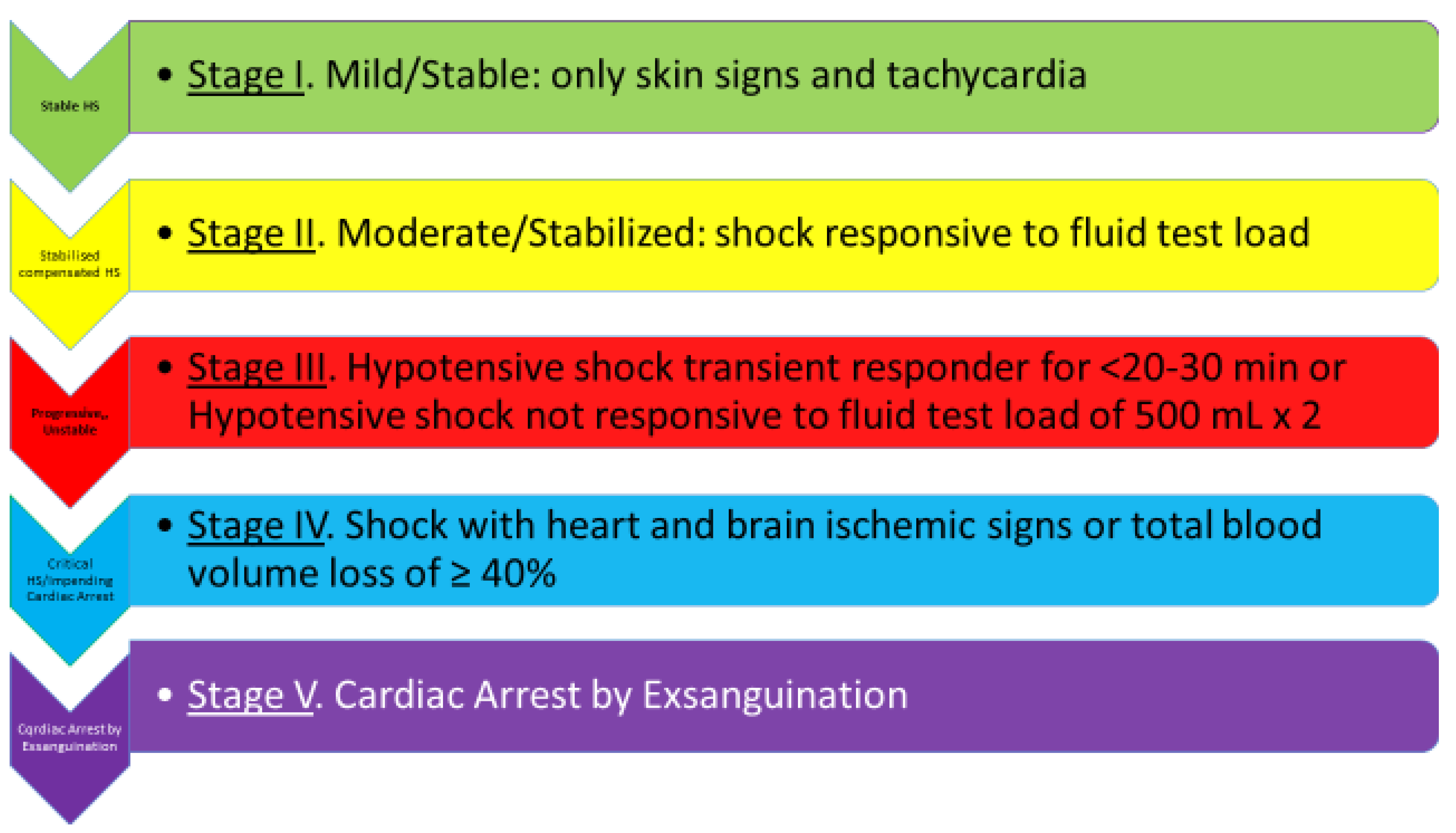
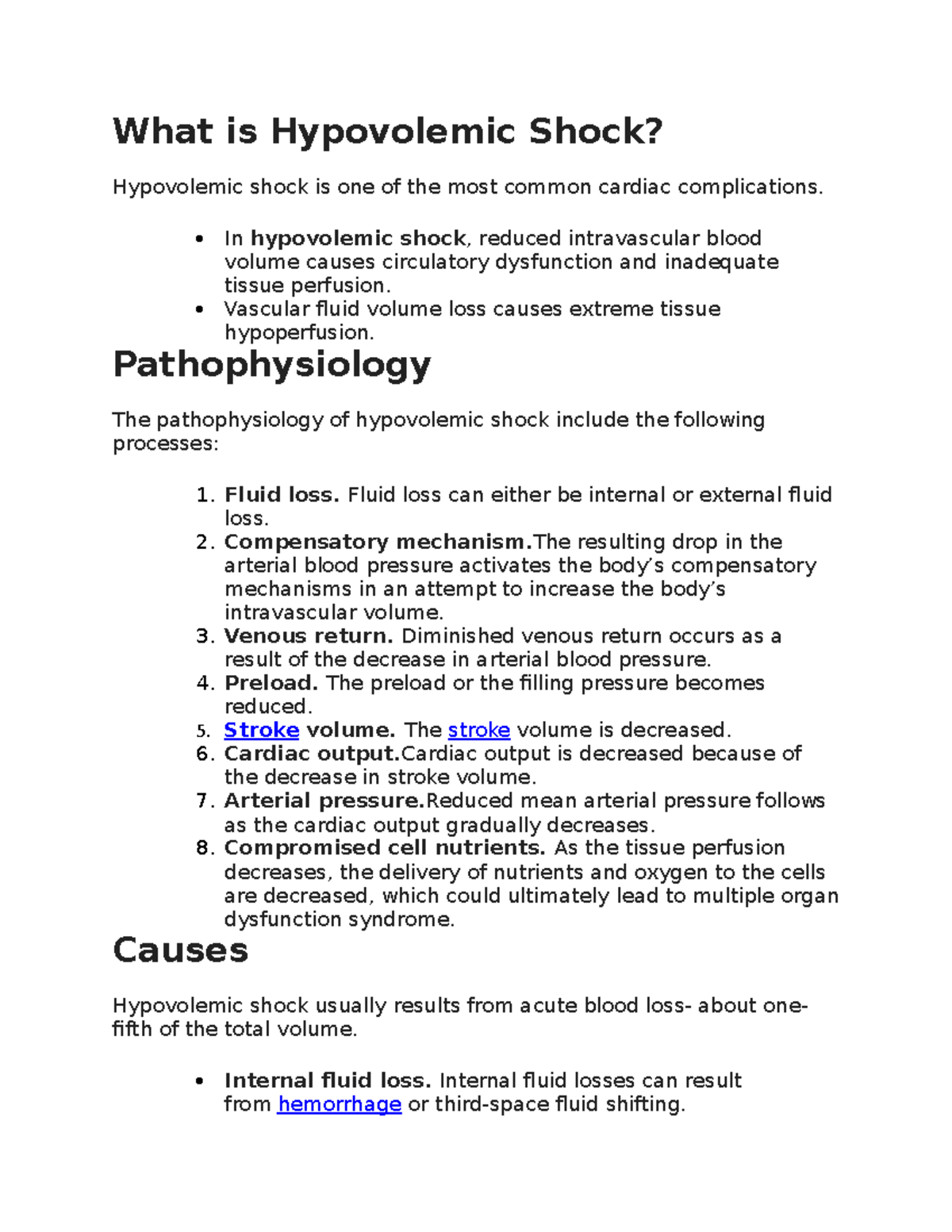
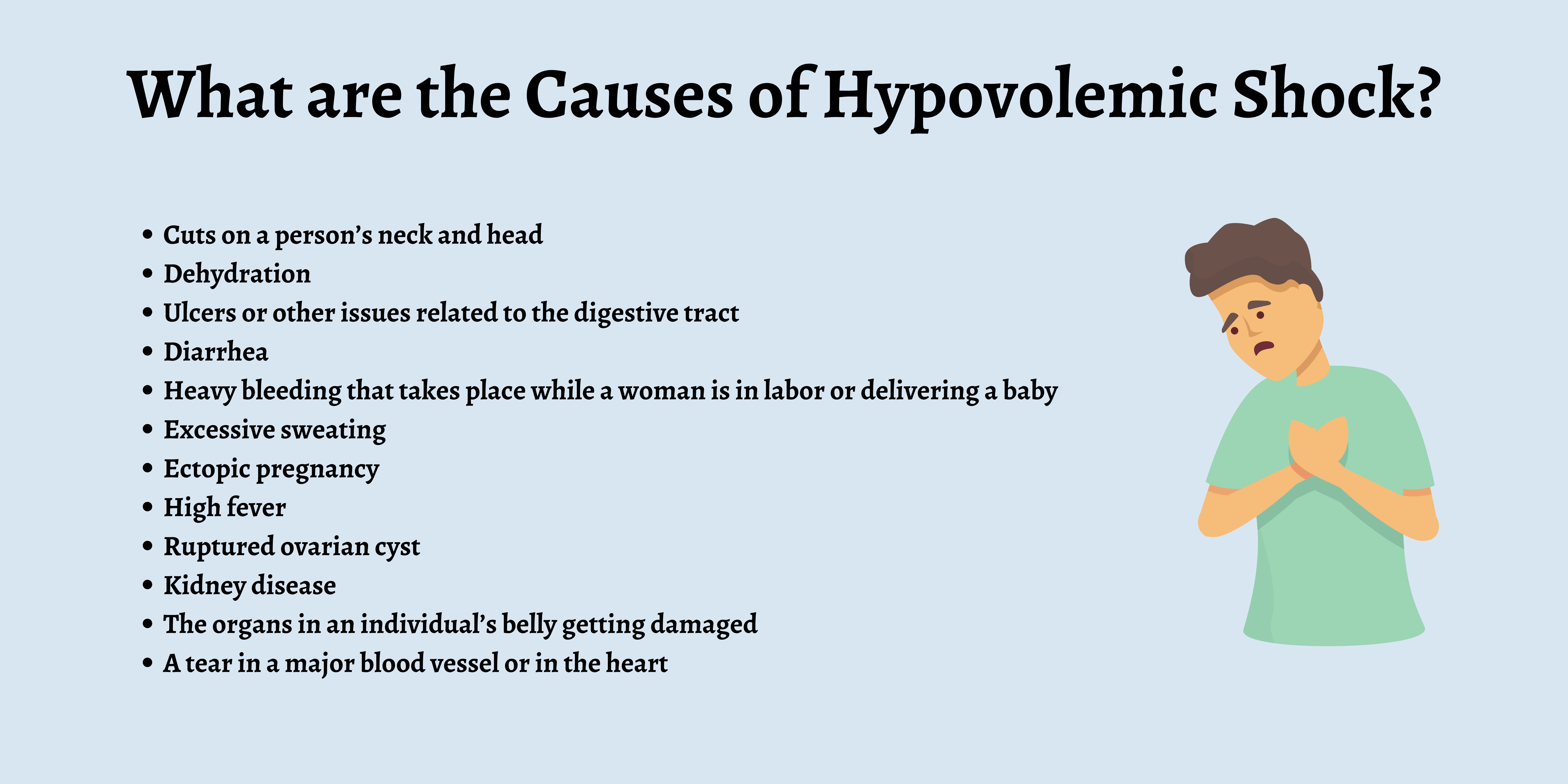
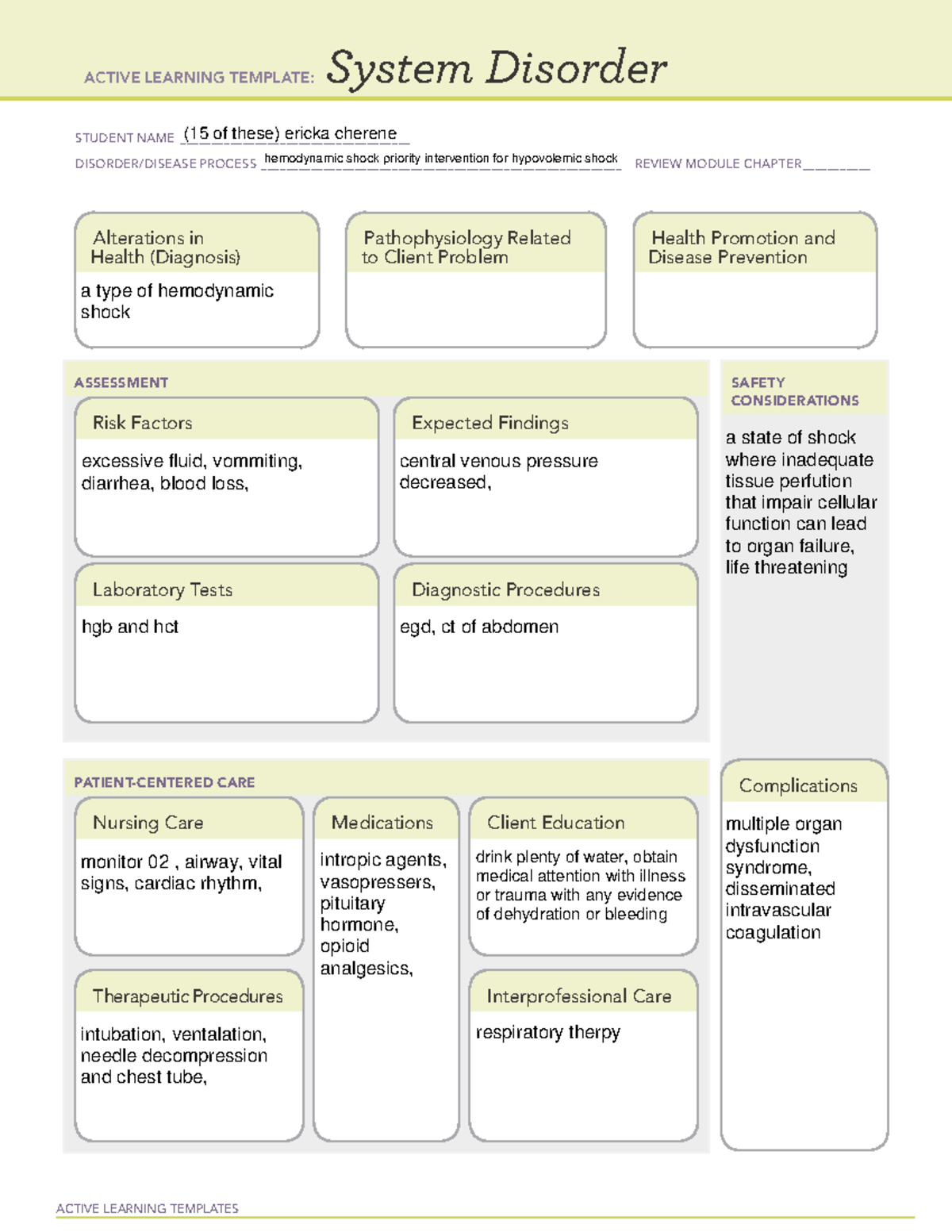
Hypovolemic Shock: Recognizing The Early Warning Signs That Save Lives
The exosporium … · toxin a (tcda), toxin b (tcdb), and binary toxin (cdt) produced by clostridium difficile (cd) are thought to play a key...
